Alpine mountain landscape representing natural vitality and dynamism

Educational Overview of Dynamic Natural Complexes

Understanding plant-based formulations supporting men's everyday vitality and joint dynamism for active lifestyles

Educational content only. No medical services. No promises of outcomes.

Introduction to Natural Complexes for Active Living

Natural complexes represent an area of ongoing research into plant-based formulations that have been traditionally used to support everyday vitality. This educational resource provides factual information about botanical ingredients and their studied roles in supporting active lifestyles, presented purely for informational purposes.

Throughout history, cultures have explored the use of alpine herbs and botanicals as part of their approach to maintaining overall wellness. Today, modern research continues to examine these traditional practices and their scientific foundations.

Understanding the Informational Context

This material is presented for educational awareness only. It is not intended to provide medical advice, diagnosis, or treatment recommendations. Individual wellness approaches vary widely, and personal decisions should be based on individual circumstances and professional consultation.
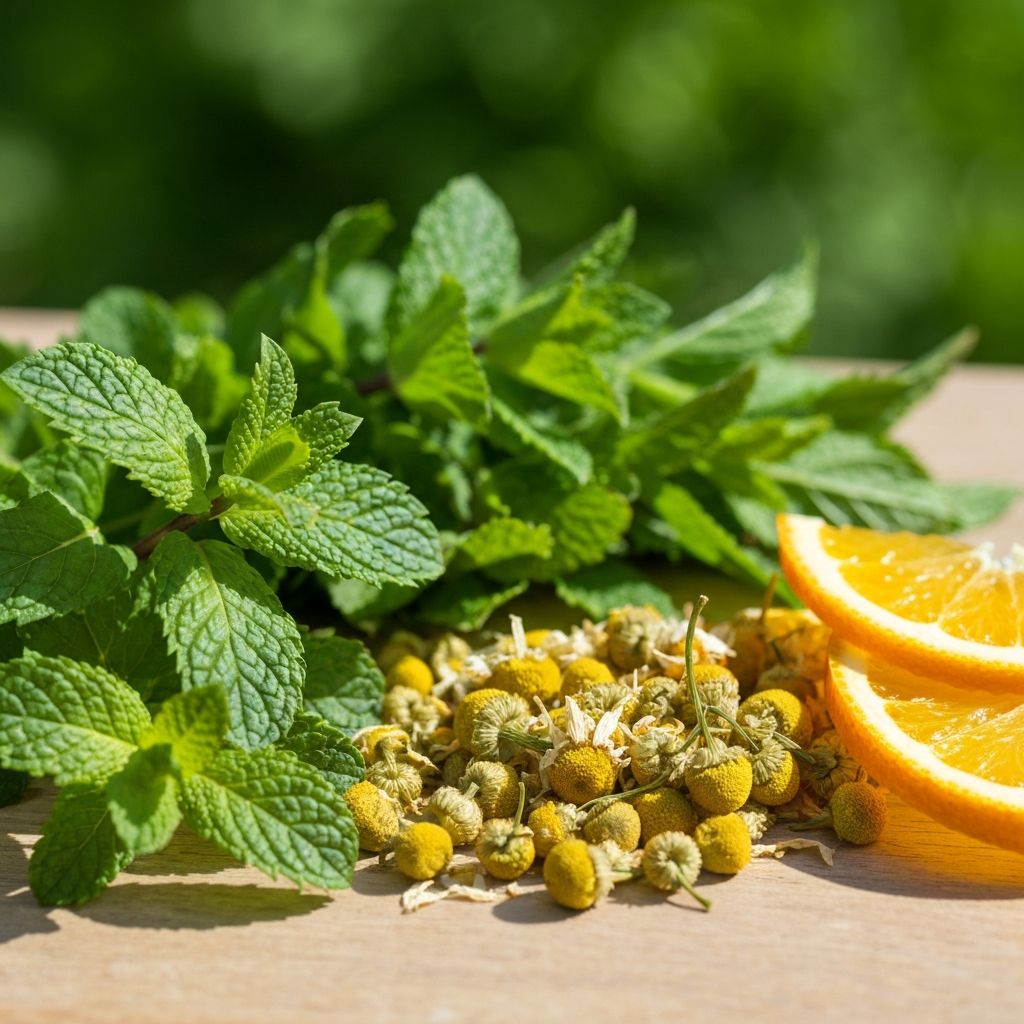
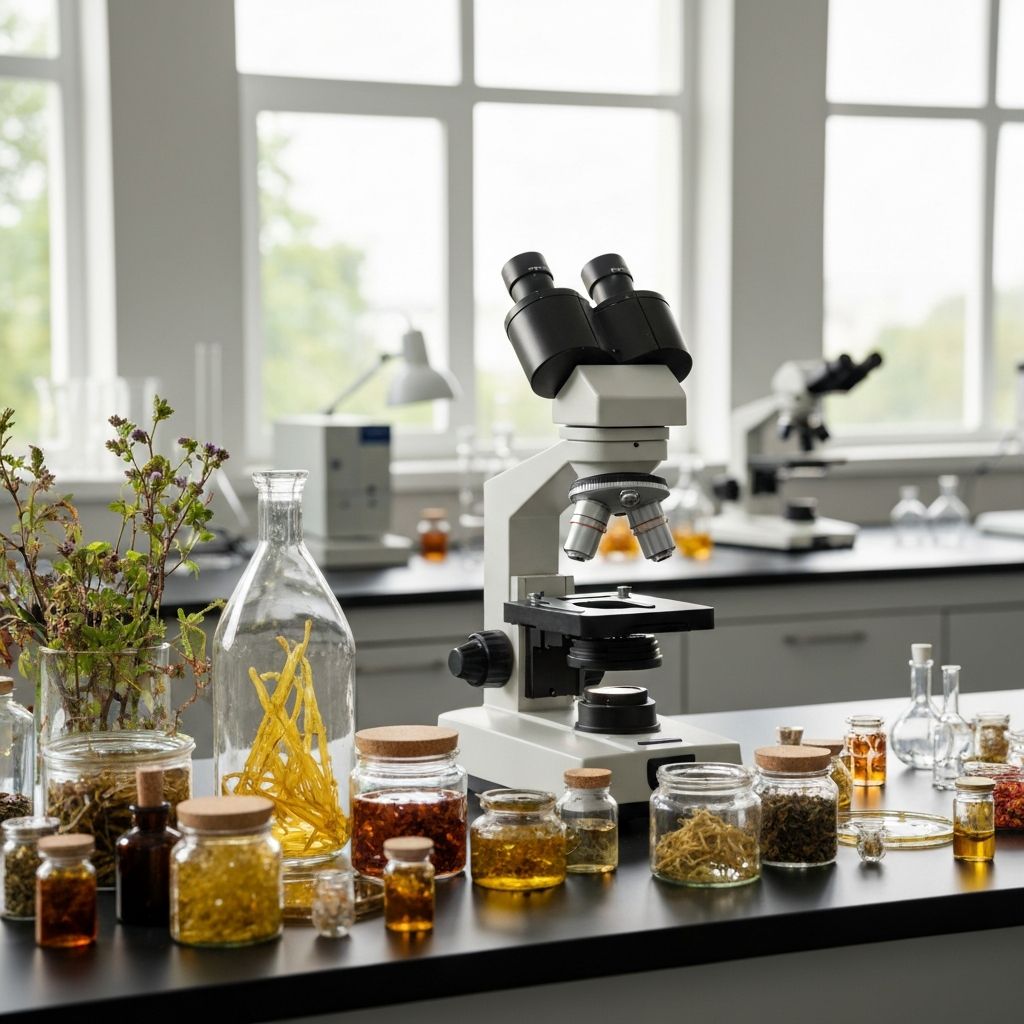
Close-up of natural herbs and botanical ingredients in natural light

The Role of Plant-Based Compounds in Daily Activity Support

Research explores how botanical compounds may support various aspects of everyday vitality and physical dynamism.

Botanical Compounds and Nutrient Support

Plant-based complexes typically contain various minerals, vitamins, and phytonutrients. Scientific studies examine how these compounds interact with biological systems to support:

  • Daily energy levels and mental clarity
  • Physical performance and endurance capacity
  • Joint and connective tissue support
  • Overall physiological balance

The mechanisms of action vary depending on the specific botanical ingredients and their bioactive constituents.

Scientific research imagery showing botanical analysis and plant components
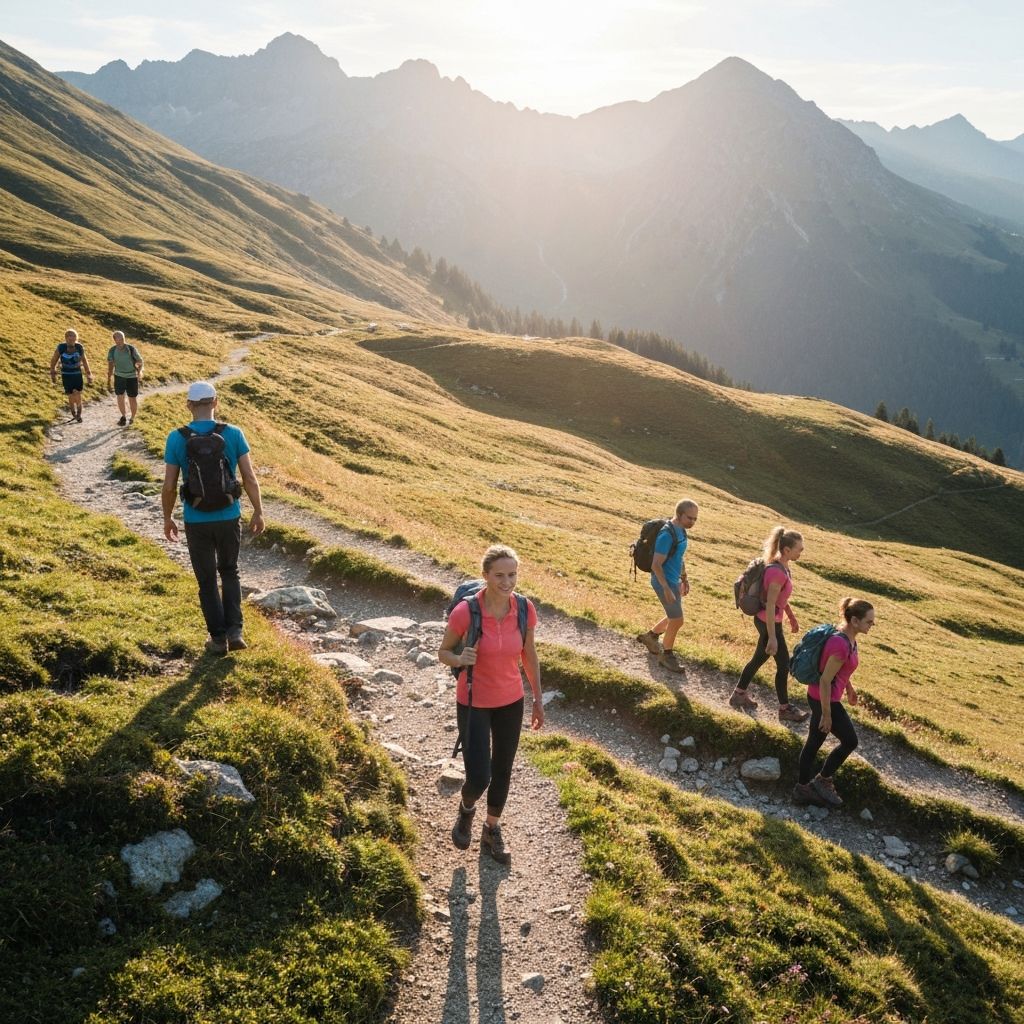
People engaging in natural outdoor activities in an alpine environment

Supporting Active Lifestyle Requirements

Active individuals have varying nutritional requirements compared to sedentary populations. Natural complexes are formulated to address these enhanced nutritional demands:

  • Increased micronutrient requirements for active people
  • Support for recovery processes and physical adaptation
  • Antioxidant support for active metabolism
  • Nutritional support for musculoskeletal health

Alpine Herb Traditions and Modern Research

Historical Use of Alpine Botanicals

The alpine regions of Austria and surrounding areas have a rich tradition of utilizing local herbs and botanical knowledge. For centuries, communities have incorporated these plants into their daily routines.

Plants such as ginseng varieties, eleuthero, cordyceps, and various Mediterranean herbs have been studied for their potential roles in supporting vitality and physical performance.

Modern scientific investigation continues this tradition by examining the mechanisms through which these botanicals may support human physiology, applying contemporary research methodologies to traditional knowledge.

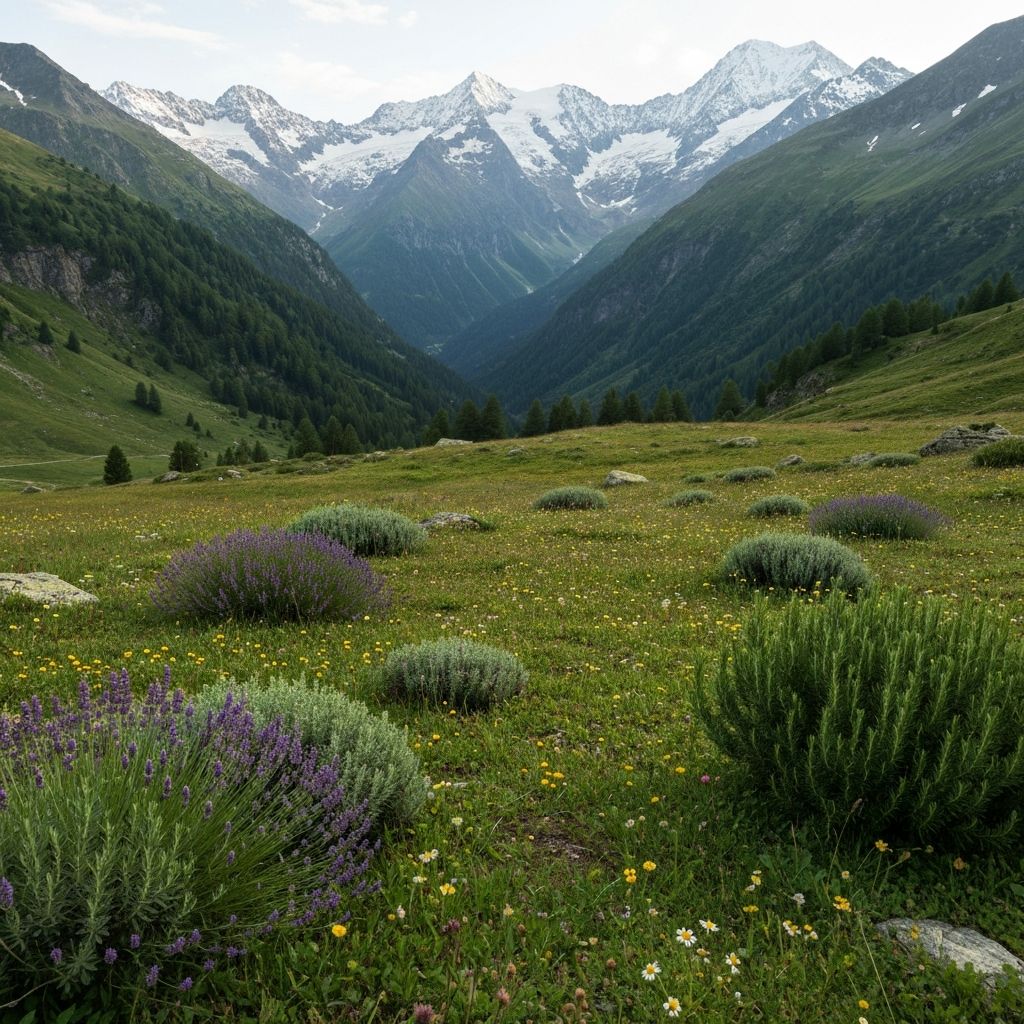
Alpine mountain valley with natural herbs and botanical diversity

Activity Levels and Nutritional Requirements

How physical activity influences nutritional needs and the role of supplementation.

Metabolic Demands of Active Lifestyles

Physical activity significantly increases metabolic demands on the body. Regular movement and exercise create elevated requirements for:

  • Energy substrate availability
  • Micronutrient cofactors for enzymatic processes
  • Antioxidant defense mechanisms
  • Connective tissue support and repair
Natural landscape representing active outdoor lifestyle and physical vitality

Individual Variation in Requirements

Nutritional needs vary significantly based on age, baseline health status, activity type, intensity, and frequency. What supports one individual's vitality may differ from another's requirements. This is why personalized approaches are important for optimal wellness.

Scientific Research on Botanical Components

An overview of current research findings regarding plant-based formulations.

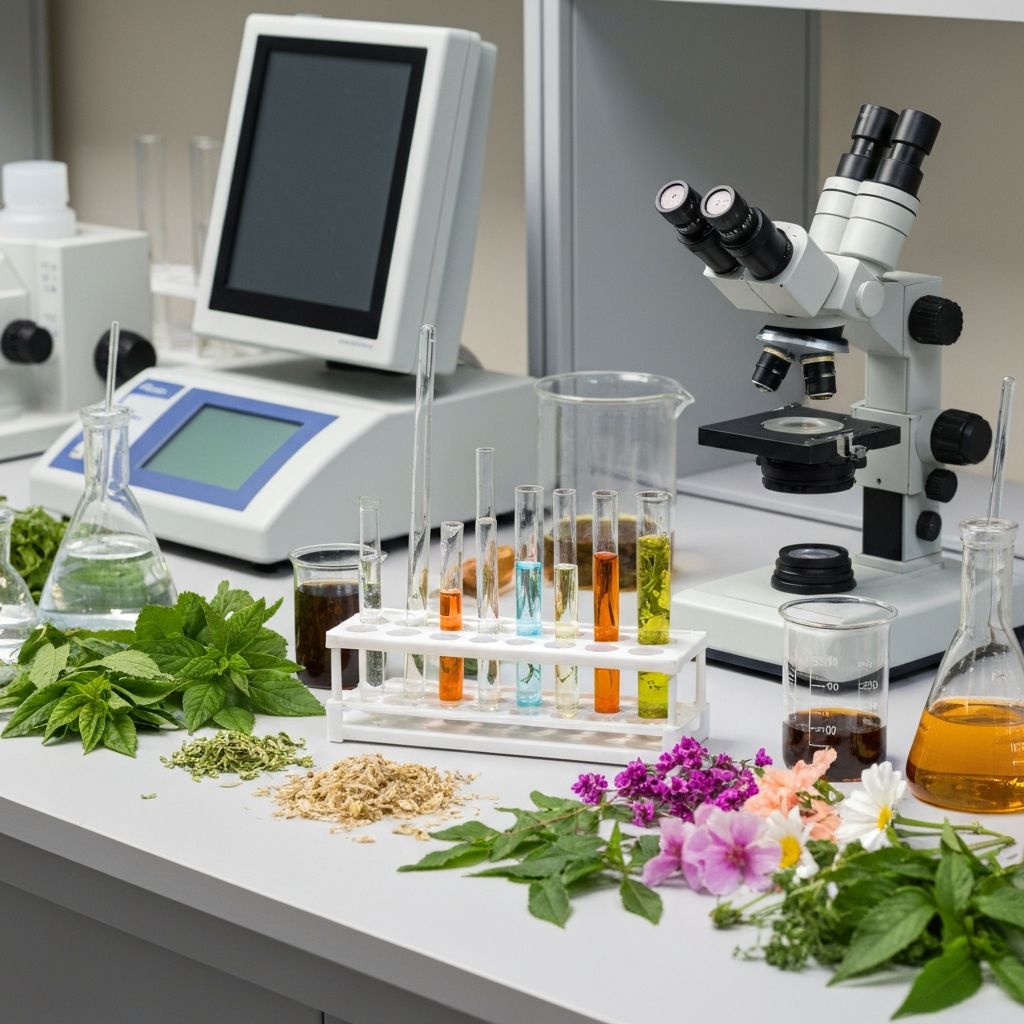
Scientific laboratory setting with natural plant extracts and research materials

Studying Plant Compounds

Contemporary research employs various methodologies to examine how botanical compounds interact with human physiology:

  • In vitro studies examining cellular mechanisms
  • Animal model research for pharmacological effects
  • Clinical trials evaluating human outcomes
  • Systemic reviews analyzing collective evidence
  • Biochemical pathway analysis

Research continues to expand our understanding of how specific botanicals may support various aspects of vitality and physical performance. See our references section for scientific background information.

View Scientific Background

Common Botanical Ingredients and Their Applications

Overview of natural components used in dynamic vitality formulations.

Primary Botanical Categories

Natural complexes typically incorporate several categories of botanicals:

  • Adaptogenic herbs: Supporting stress response and resilience
  • Energy-supporting botanicals: Promoting stamina and endurance
  • Joint support plants: Maintaining connective tissue health
  • Circulation-supporting herbs: Enhancing blood flow and oxygenation
  • Antioxidant-rich plants: Supporting cellular health

Each category contains multiple specific plant species, each with its own biochemical profile and studied mechanisms of action.

Array of natural botanical ingredients and plant materials arranged for formulation

Exploring Product Categories

To learn about specific natural complexes and their ingredient compositions, visit our Products Overview section.

Discover Product Categories